
Associate Professor Ilke Uysal Ünalan wants to solve the puzzle hiding in food packaging
Newly appointed Associate Professor at the Department of Food Science (AU FOOD), Ilke Uysal Ünalan, is working towards a future where food packaging protects what we eat – and stays in a circular system long after the last bite.

There is a moment in every researcher’s career where a question becomes bigger than the experiment in front of them.
For Ilke Uysal Ünalan, that question was packaging.
Not packaging as something that simply wraps food, but as part of the food itself – part of the system that determines whether food stays safe and fresh, whether resources are wasted, and ultimately what happens to the material after the last bite.
Her fascination starts with a deceptively simple question: what happens when packaging meets food?
”The packaging and food are interconnected,” she says.
Understanding that connection has become the center of her research – and, in many ways, the thread running through her journey to becoming an Associate Professor at AU FOOD.
Starting with a blank page
The transition from Tenure Track to Associate Professor was not simply about reaching the next step on the academic career ladder.
For Ilke, it meant building something.
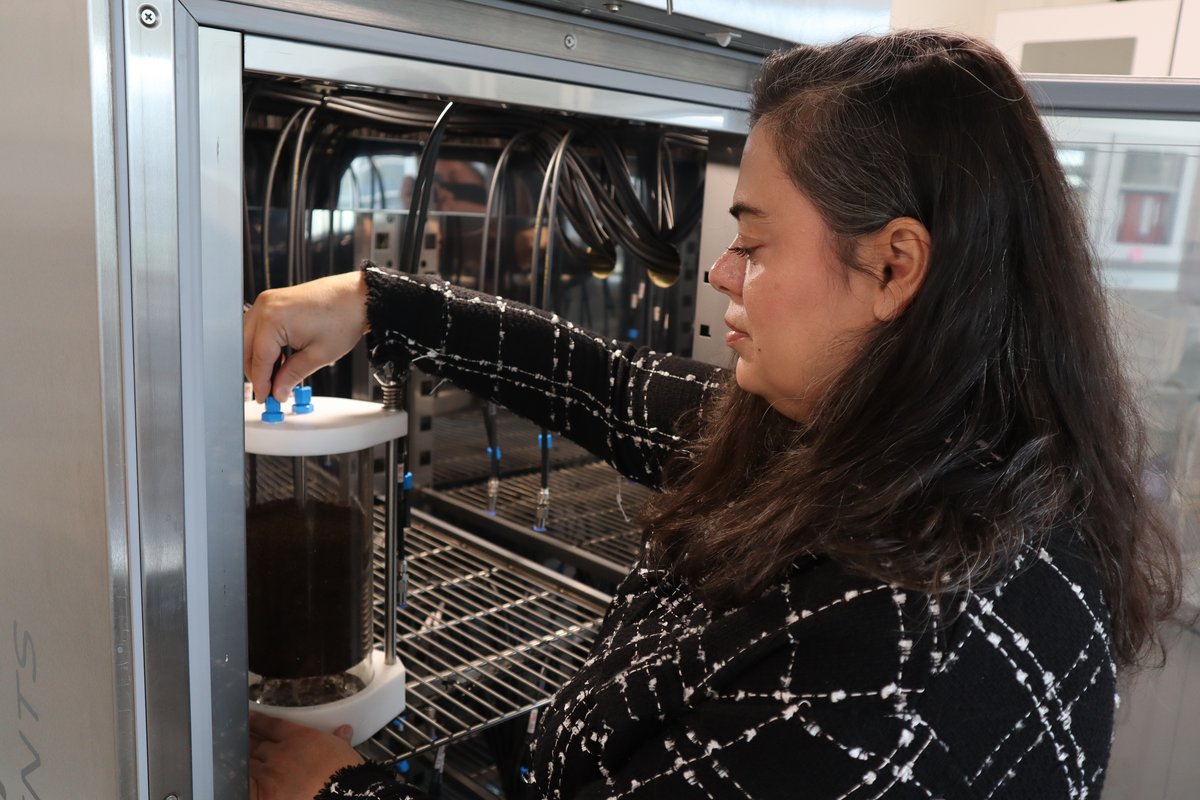
When she arrived at AU FOOD, there was no established packaging research infrastructure. She had to create a packaging laboratory, establish the necessary equipment, find students and secure research projects – all while building her own research group.
And then there was the human side of it: learning how to supervise students with different academic and cultural backgrounds, and creating a research environment where they could thrive.
”It was challenging,” she says.
But she never really doubted that it could be done.
She and her first PhD student started working with what they had. The infrastructure gradually took shape. The equipment arrived. The research grew; and her student graduated successfully with numerous publications.
What began as a blank page has become a functioning research environment.
For Ilke, that experience brought an unexpected lesson: confidence.
She discovered that she could build something new, even when the infrastructure, network and answers were not already there.
A package is never just a package
The deeper Ilke gets into packaging, the more complicated the question becomes.
”There is no universally sustainable packaging material. Fresh berries need one kind of protection. Dairy products need another. Coffee powder and dry foods have completely different requirements,” she says.
So her guiding principle is straightforward: the right material for the right food. The challenge is finding that match without compromising food quality, safety or sustainability.
To do that, she looks at packaging at different scales, from the molecular level to the larger structure of the material. She wants to understand the mechanisms behind food-packaging interactions: how oxygen, moisture, aromas and microorganisms affect food, and how packaging can protect it.
But she has also learned that the packaging itself is only one piece of the puzzle.
The puzzle gets bigger
Sustainable food packaging cannot be solved by packaging scientists alone.
It involves food science, chemistry, consumer behaviour, policy, health, industry and the systems that collect and process packaging after use.
”It’s like a big puzzle,” Ilke says.
And solving one piece can sometimes create a problem somewhere else.
A packaging material might be designed to be recyclable, for example, but that does not necessarily mean it will actually be recycled. The infrastructure needs to exist. The system needs to be able to handle the material. And consumers need to know what to do with it when they’ve finished their food.
That is why Ilke increasingly sees her research through a whole-supply-chain perspective.
The package has a life before the food reaches the consumer – and a life after it is eaten.
What happens after the last bite?
For Ilke, the end of a package’s life is just as interesting as the beginning.
Can it be recycled? Composted? Biodegraded? And, perhaps more importantly: does the system around it actually make that possible?
This is where her interest in circularity comes in.
She wants to understand packaging from processing and structure to function and end of life, connecting the different pieces rather than treating them as isolated problems.
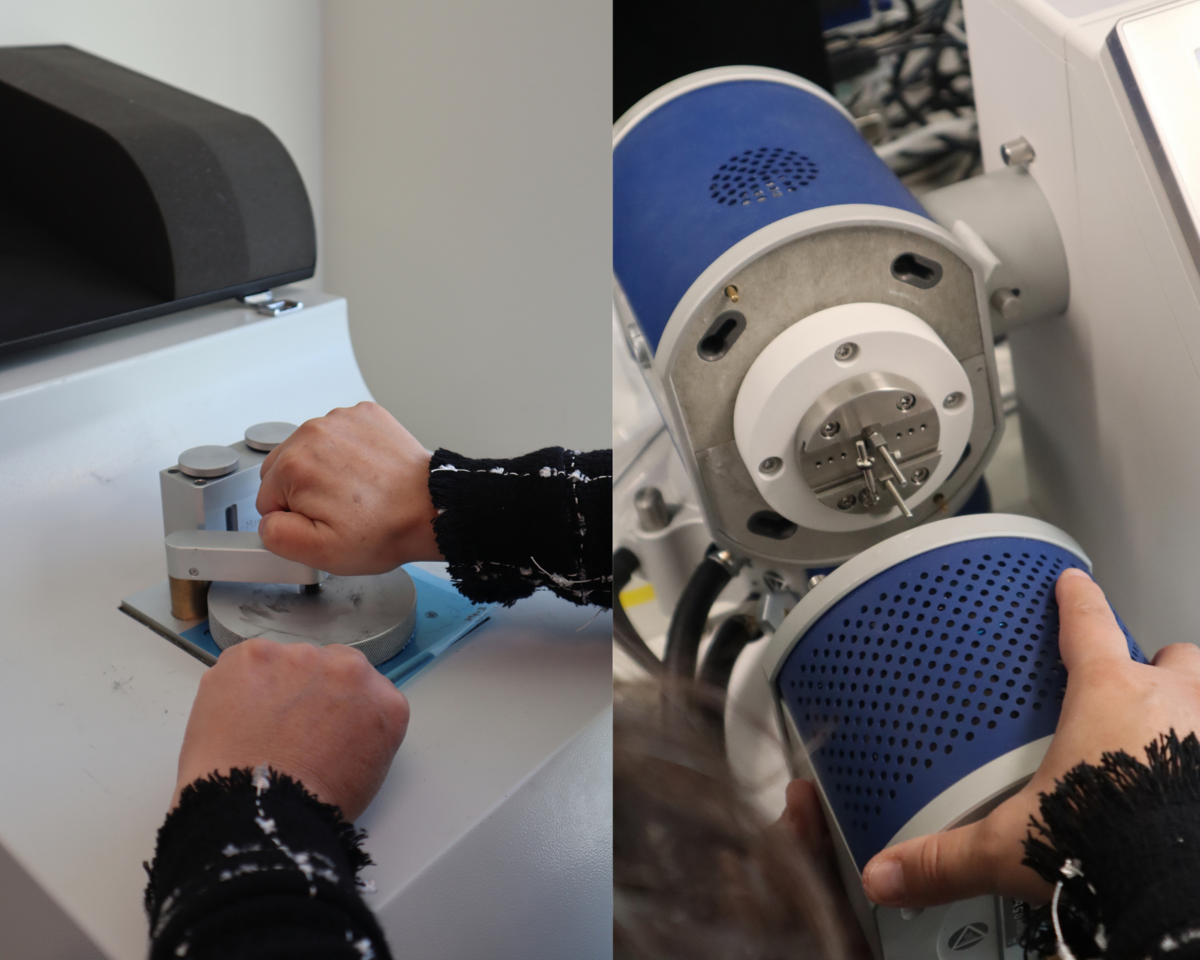
One area she is particularly excited about right now is composting.
But finding a solution is not enough. Ilke believes researchers also need to understand the fundamental mechanisms behind it.
Understanding the why
For Ilke, fundamental research matters because lasting solutions need more than a successful experiment.
”We need to understand why something works,” she states as the principle behind her approach.
That deeper knowledge can help researchers design better materials and, just as importantly, provide the scientific foundation for discoveries that have not yet been imagined.
At the same time, she wants the knowledge to travel beyond the laboratory.
Her next step is to strengthen connections with industry, and make the bridge between research and application even stronger.
Because for Ilke, the long-term ambition is not simply a better package. It is a circular packaging system.
”A system in which materials remain in circulation, are reused or reshaped, and where packaging choices are genuinely matched to the food they protect,” she says.
Building the next generation
There is another part of Ilke’s work that she talks about with the same enthusiasm as her research: people.
She loves teaching. She enjoys students’ questions. She likes mentoring and watching young researchers develop their own ideas.
And she wants her research group to grow.
”Not just bigger, but more diverse. Different backgrounds bring different knowledge and skills,” she says. ”And that diversity can make the science stronger.”
Her advice to students is therefore uncomplicated:
”Stay curious. Be persistent. Collaborate. Share what you know. And, even when research gets difficult or frustrating, keep enjoying it,” she says with a warm, genuine smile.
To keep the fun in science is her message in a nutshell. And it is perhaps fitting for someone whose own career started with a simple curiosity about how things work.
A curiosity that has taken her from understanding individual mechanisms to thinking about entire systems – from molecules and materials to food, consumers, industry and the circular economy.
And becoming an Associate Professor?
For Ilke, it is not the end of the journey. It is simply the next step in solving a much bigger puzzle.
Fact box
Fact box
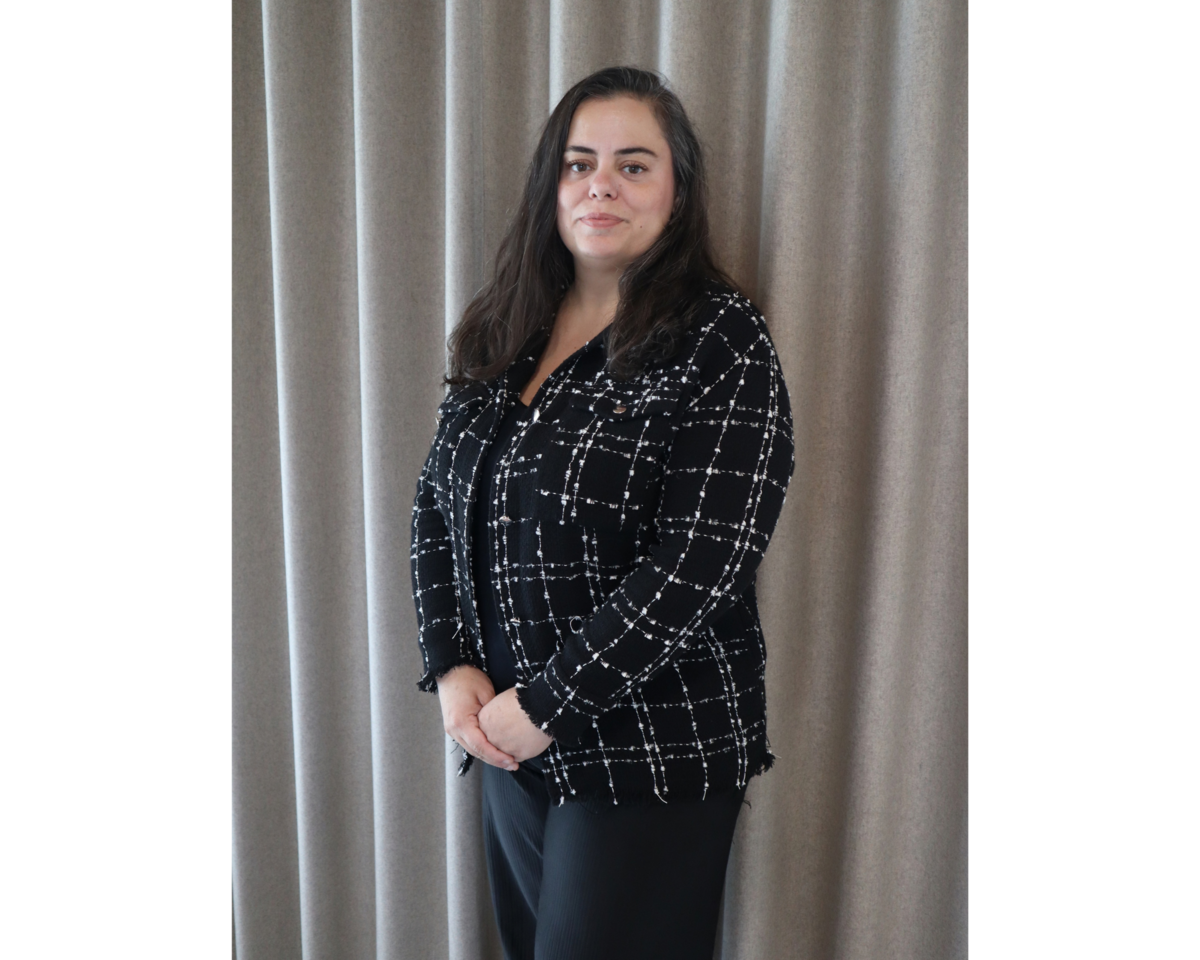
Name: Ilke Uysal Ünalan
Title: Associate Professor at the Department of Food Science, Aarhus University
Age: 44
Lives in: Risskov, Aarhus
Origin: Türkiye
Educational background: PhD in Food Packaging
Previous positions: Postdoctoral Researcher at the School of Packaging, Michigan State University, USA. Postdoctoral Scientist at the Department of Health Sciences and Technology, ETH Zürich, Switzerland. PhD Fellow at University of Milan, Italy, and University of Warwick, UK
Research focus: Ilke’s research is focused on circular food packaging systems, polymer processing-structure-property relationships, and end-of-life solutions including composting, recycling, and reuse.